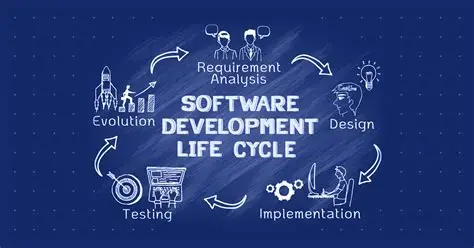
Bespoke software projects are journeys, not destinations. They start with an idea and continue with ongoing support. Understanding the full lifecycle helps you plan better and expect the right things. Bespoke Software Development Custom Software Development
This guide walks through each phase of a bespoke software project. From initial concept to long-term support, here is what to expect.
Phase 1: Discovery and Planning
Every successful project starts with understanding:
Discover how bespoke software transformed a client’s workflow in our printer client case study.
We use TMS XData for REST API development and RemObjects for cross-platform services.
- Your current process and pain points
- Your goals and success metrics
- Your technical requirements and constraints
- Your budget and timeline expectations
- Your team structure and user needs
This phase requires adequate time for thorough analysis. We conduct interviews, analyse workflows, and create detailed specifications. The more thorough this phase, the smoother everything else goes.
Phase 2: Design and Architecture
Next we design the solution:
- System architecture and technology choices
- User interface mockups and user experience design
- Database structure and data relationships
- Integration points with existing systems
- Security and performance considerations
This phase requires time for proper design work. You see designs and can provide feedback before development begins.
Phase 3: Development
Development happens in iterative cycles:
- Core functionality built first
- Features added incrementally
- Regular demos and feedback sessions
- Testing integrated throughout
- Documentation created as we go
This phase varies depending on complexity. You see progress regularly and can request changes.
Phase 4: Testing and Deployment
Before going live, we ensure everything works:
- Comprehensive testing of all features
- User acceptance testing with your team
- Performance testing under load
- Security testing and vulnerability assessment
- Data migration and backup procedures
This phase requires adequate testing time. We fix any issues before deployment and ensure smooth transition.
Phase 5: Launch and Training
Going live requires careful planning:
- Staged rollout to minimise risk
- Comprehensive user training
- Documentation and support materials
- Monitoring and issue resolution
- Feedback collection and quick fixes
This phase requires time for proper training. We ensure everyone is comfortable with the new system.
Phase 6: Ongoing Support
Software needs ongoing care:
- Hosting and infrastructure monitoring
- Security updates and patches
- Feature enhancements and improvements
- Bug fixes and issue resolution
- User support and training
This phase continues indefinitely. We provide different support levels to match your needs and budget.
Real Example: Membership Management System
One client needed a membership management system. Here is how their project progressed:
- Week 1-3: Discovery and planning
- Week 4-6: Design and architecture
- Week 7-18: Development in 3-week cycles
- Week 19-21: Testing and deployment
- Week 22-23: Launch and training
- Ongoing: Support and enhancements
Project completed efficiently. System now handles 2,000 members with 99.9% uptime.
Frequently Asked Questions
- How long does the entire process take? – Project duration varies depending on complexity and requirements.
- Can we change requirements during development? – Yes, we build flexibility into our process to accommodate changes.
- What about ongoing costs? – We offer different support levels starting from basic hosting to full maintenance.
Talk to SMXi
Ready to start your bespoke software journey? Get in touch and let us help you plan your project from start to finish.